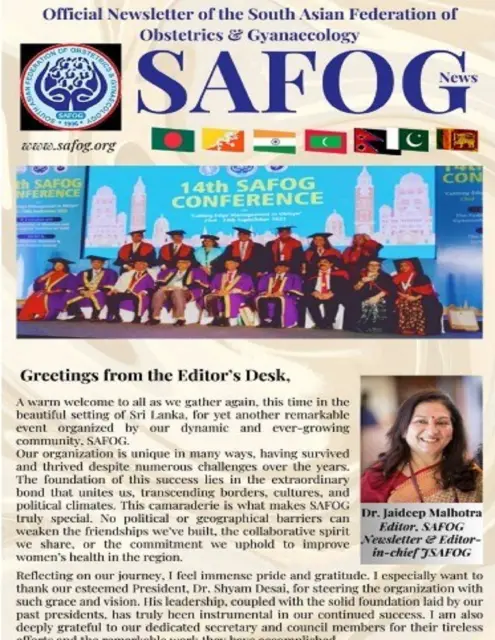
To bring together the obstetricians and gynaecologists within the region for closer cooperation and social understanding.
An idea thatchanged a region.
The South Asian Federation of Obstetrics and Gynaecology brings the region’s national societies together, so that doctors facing the same problems can learn from one another.
1995First meeting, Colombo
1996First council and congress, Lahore
2008Constitution signed, Colombo
One fraternity for the region’s doctors.
SAFOG had born with a bang!From the Federation’s history, on the first congress in Lahore, 1996
The problems of women’s health across South Asia were shared: the same geography, the same poverty and the same limited resources. Yet until the mid-1990s there was little contact between the region’s doctors, and the large federations, FIGO and AOFOG, spanned countries with very different standards of care.
SAFOG was formed so that the obstetricians and gynaecologists of the region could discuss problems that are very similar and learn from each other’s experience. It brings experts and young gynaecologists together at seminars and workshops closer to home, where young researchers can present their work to a regional audience.
The Sri Lanka College of Obstetricians and Gynaecologists offered space for the headquarters, and Colombo has been the Federation’s home ever since.
A quarter of the world, one region.
South Asia faces public health challenges on a demographic and geographic scale found nowhere else.
1.89bnPeople in South Asia, nearly a quarter of the world’s population
5.2m km²Land area, about 11.7% of the Asian continent
8Countries in the region, from Afghanistan to the Maldives
6National societies on the SAFOG Council
Figures as given in the Federation’s published history.
Nine objectives, in the Federation’s words.
Article 1 of the constitution sets out what SAFOG exists to do.
To use and develop reproductive health as an instrument toward social and health development.
To promote the exchange of ideas and the sharing of knowledge, skills and attitudes among obstetricians and gynaecologists in the region.
To strengthen and produce uniformity in the postgraduate training of medical graduates in reproductive health.
To facilitate continuing medical education in reproductive health in the region.
To encourage and maintain research on reproductive health in the region, relevant to the good health of the population.
To cooperate with other international and regional organisations concerned with reproductive health.
To strive to provide reproductive healthcare for all persons in the region and, in particular, safe motherhood.
To enhance the involvement of obstetricians and gynaecologists in decision making on the health policies of the region.
Thirty years, year by year.
From a meeting in Colombo in 1995 to the 15th congress in Kathmandu in 2026. On a wide screen, scroll to move through the years.
1995
7 September
A meeting in Colombo
Convened by Dr Lakshman Fernando during the SLCOG conference, on the suggestion of Dr Rohan Perera.
1996
16 October
Bali, Indonesia
Bangladesh and Nepal join India, Pakistan and Sri Lanka, and the headquarters is agreed for Colombo.
1996
29 November
First council, Lahore
The first congress, with SOGP, draws about a thousand delegates and 150 scientific papers.
2007
June
Working with AOFOG and RCOG
The first meeting of the AOFOG executive and SAFOG council in Lahore; the 1st RCOG–SAFOG conference in Kolkata.
2008
28 June
Constitution signed
The current constitution replaces the 1996 charter, in Colombo. A new website follows in December.
2009
March to July
Journal and declaration
The Journal of SAFOG is launched, the Dhaka Declaration is agreed, and South Asia Day is held at RCOG, London.
2012
October
A session at FIGO
The first dedicated SAFOG session at the FIGO World Congress in Rome, on maternal health economics.
2014
30 Oct – 2 Nov
FIGO–SAFOG conference
Held with SLCOG in Colombo, on unmet need in women’s health.
2015
Distinguished Services Award
First given to Prof Sir Sabartnum Arulkumaran for his service to SAFOG.
2018
6 July
South Asia Day, London
Held at RCOG on SDG 3 and 5. The Young Gynaecologist Award is approved.
2019
4 April
12th congress, Dhaka
The first Young Gynaecologist Awards, and a book on sexual and reproductive rights in South Asia.
2021
7 August
Constitution amended
Afghanistan joins the Council, committees are added and an Executive Board is created.
2022
30 Sep – 2 Oct
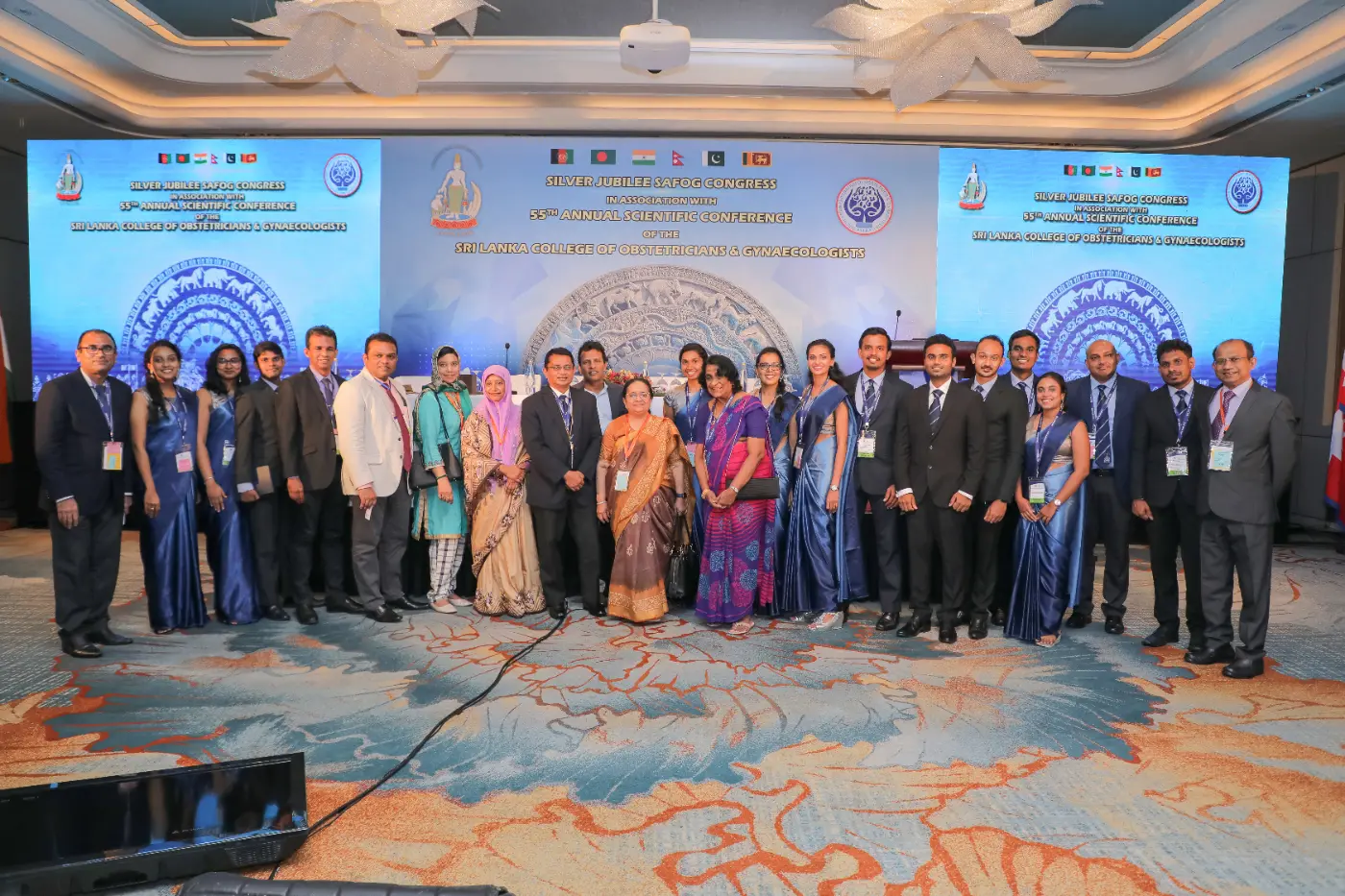
Silver Jubilee, Colombo
With the 55th SLCOG congress, and more than 500 overseas delegates.
2023
22–24 September
14th congress, Mumbai
Hosted by MOGS with FOGSI. Dr Shyam Desai is installed as President.
2026
16–18 April
15th congress, Kathmandu
Held with the 18th NESOG International Conference.
The first Executive Council.
Elected at the first formal council meeting, at Hotel Pearl Continental, Lahore, on 29 November 1996.
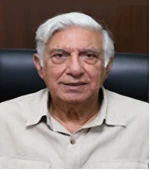
Prof Rashid Latif KhanPresident
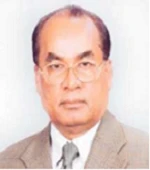
Prof TA ChowdhuryPresident Elect
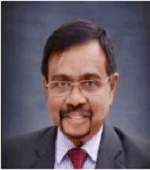
Dr Rohana HaththotuwaSecretary General
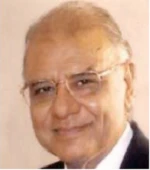
Dr D. K. TankVice President
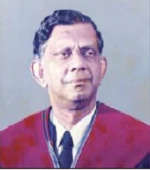
Dr Lakshman FernandoVice President
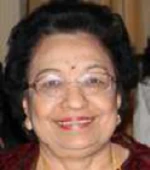
Prof Sanumaiya DaliDeputy Secretary General
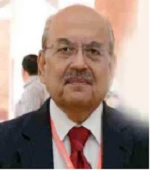
Prof Farrukh ZamanSecretary Education
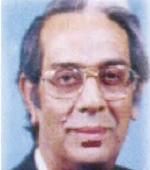
Prof Alokendu ChatterjeeSecretary Research
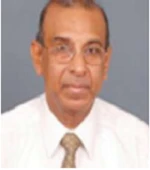
Prof Harsha SeneviratneTreasurer
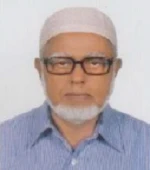
Prof AB BhuiyanEditor
Three names, one federation.
The new organisation had difficulty registering, first under its regional name and then under the term SAARC, so the name changed twice before SAFOG was settled.
The logo, first designed by local artists, was later modified by Prof Alokendu Chatterjee and approved by the Council in Dhaka.
1995
Federation of Obstetrical & Gynaecological Societies of the South Asian Region
Then
Federation of Obstetrics and Gynaecology of SAARC Countries
Today
South Asian Federation of Obstetrics & GynaecologySAFOG
The constitution, article by article.
Signed in Colombo on 28 June 2008, replacing the charter of 1996, and amended by the Council on 7 August 2021.
Article 1Objectives
The nine objectives of the Federation, set out above.
Article 2Affiliated country organisations
Membership of the national societies of obstetrics and gynaecology. No country shall be represented by more than one national society or college at SAFOG (2.6).
Article 3Headquarters
The Headquarters shall be in Colombo, Sri Lanka.
Article 4Executive Council
The Council elects its office-bearers from among its members (4.6). The Assistant Secretary General is from the country of the President (4.14).
- President
- Immediate Past President
- President Elect
- Three Vice Presidents
- Director International Relations
- Secretary General
- Deputy Secretary General
- Treasurer
- Editor
- Assistant Secretary General
- Past Presidents
- Committee chairpersons (non-voting)
Article 5Powers of the Council
Among them, to entertain, process and accept or reject an application for membership (5.2).
Article 6Duties of office-bearers
The President chairs all meetings of the Council and has a casting vote (6.1, 6.3). The Vice Presidents advise the committees (6.6), and the Treasurer is responsible for all financial matters (6.12).
Article 7Subscriptions
The financial year runs from 1 January to 31 December (7.2).
Article 8Meetings
Meetings of the Council and its office-bearers. Full text in the constitution document.
Article 9Congress
Each congress has a committee that includes the chairperson, a representative of the local organising committee, the Editor and co-opted members chosen with the President.
Article 10Auditor
An auditor is appointed by the Council in consultation with the Treasurer.
Article 11Board of Trustees
Not more than seven and not fewer than three trustees (11.2).
Article 12Property and assets
The property and assets of SAFOG are vested in the Board of Trustees, held for the benefit of SAFOG.
Article 13Amendments
How the constitution may be amended. Full text in the constitution document.
Article 14Dissolution
The dissolution of SAFOG. Full text in the constitution document.
Article 15Replacement of the SAFOG Charter
The charter of 1996 is replaced, under the authority of the Executive Council.
Article 16Amendments of 7 August 2021
Approved at a virtual council meeting under President Prof Ferdousi Begum: Afghanistan joins the Council, committees are added, a third Vice President and a Director of International Relations are created, and an Executive Board is allowed for.